

Is Stainless Steel Good Jewelry? [Pros, Cons & Care]
Yes, stainless steel makes good jewelry: durable, affordable, hypoallergenic, and low maintenance.
If you design, buy, or wear jewelry every day, this guide is for you. I have worked with stainless steel for years in design rooms, studios, and retail floors. You will learn where it shines, where it falls short, and how to pick the best pieces. Many shoppers ask is stainless steel good jewelry for daily wear, water, or sensitive skin. By the end, you will know the answer for your needs.
What Makes Stainless Steel Jewelry Different
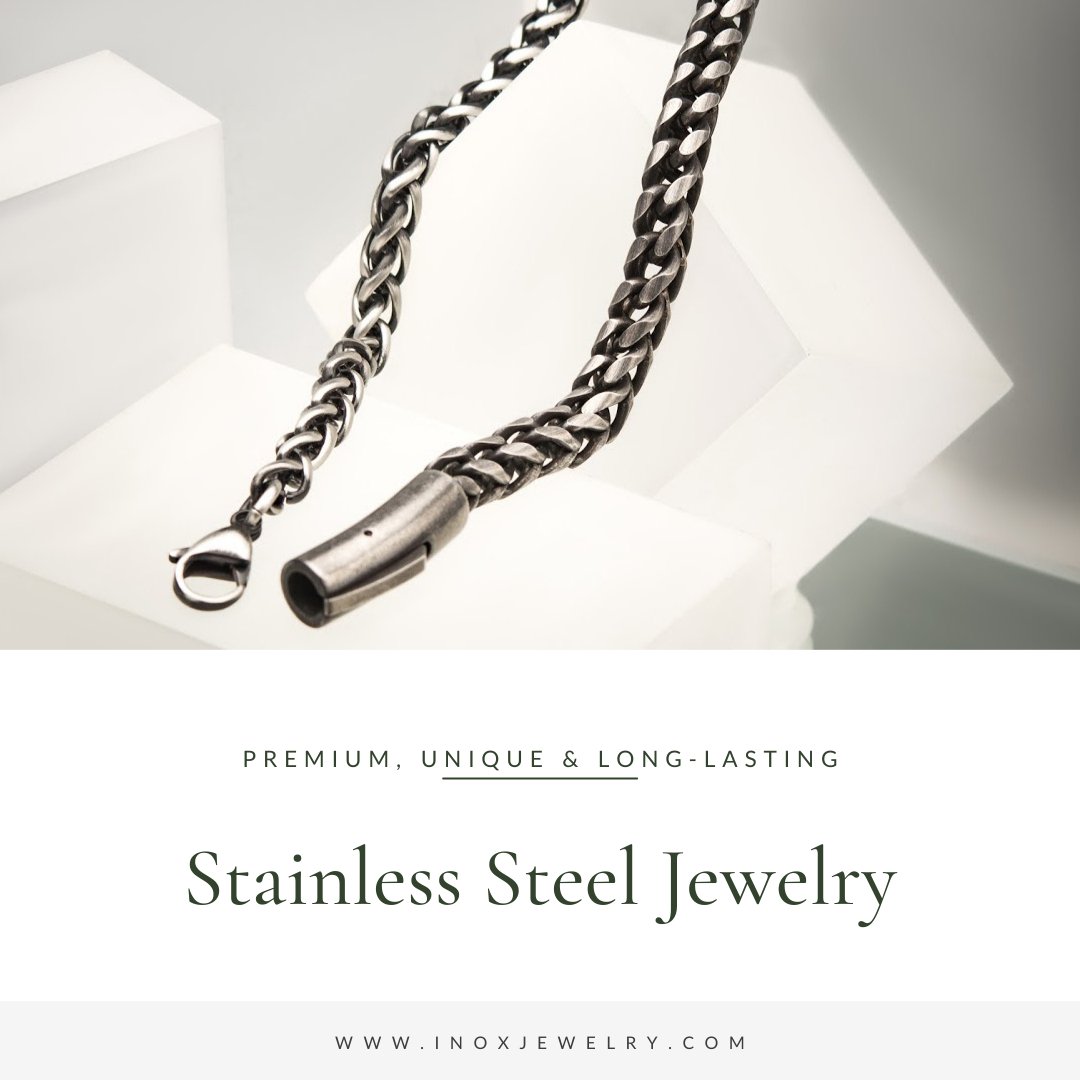
Stainless steel is a steel alloy with chromium. The chromium reacts with oxygen to form a thin, clear layer. This passive layer guards the metal from rust and stains. That is why it stays bright with little care.
Most jewelry uses 304 or 316L stainless steel. 316L has molybdenum. It fights salt and sweat better. This is the grade many call surgical steel. It is a smart pick for daily wear and humid places.
Quality pieces are cast, machined, or stamped, then polished. Colors like gold, rose, or black use PVD. This is a hard, vacuum-deposited coating. It lasts longer than simple electroplating.
So, is stainless steel good jewelry for everyday life? Yes, when the grade and finish are right.
Benefits of Stainless Steel Jewelry
If you wonder is stainless steel good jewelry for busy people, these benefits explain why.
- Strong and scratch resistant. It handles knocks and daily wear well.
- Water friendly. Sweat, rain, and showers are not a problem for 316L.
- Low nickel release. Many people with sensitive skin can wear it. 316L is best.
- No tarnish. It stays bright without constant polishing.
- Budget friendly. It looks premium without a premium price.
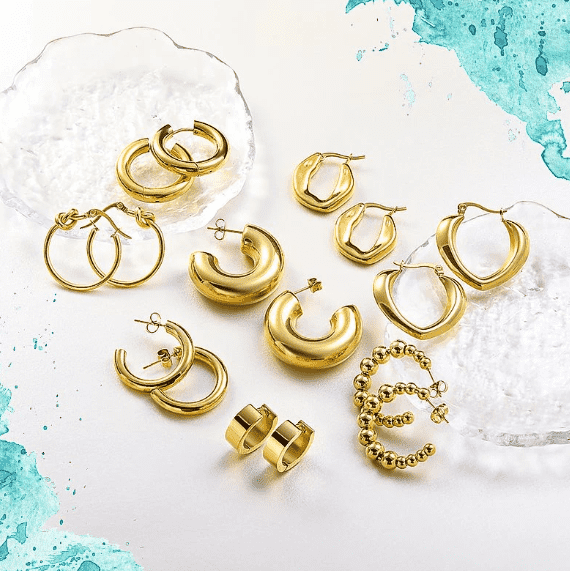
- Stable color with PVD. Gold or black tones can last for years.
- Easy care. Soap, water, and a soft cloth do the job.
In my studio trials, 316L chains held up to gym sessions and beach days. The finish stayed clean. The clasps remained tight. Clients said the same over months of wear.
Limitations and When to Choose Another Metal
Stainless steel is not perfect. If you need heirloom value, ask yourself is stainless steel good jewelry for that goal. Here are real limits to keep in mind.
- Limited resale value. It is not a precious metal.
- Some nickel is present. Most people are fine, but a few may react. Test first.
- Hard to resize. Rings are tough to alter due to hardness.
- Scratches happen. It can mark with heavy use. It does not chip like tungsten, but it is not scratch-proof.
- Magnetic grades exist. 400 series can be magnetic and less corrosion resistant.
- Plated look-alikes. Cheap electroplated items can fade fast.
For fresh piercings, many pros prefer implant-grade 316LVM or titanium under strict standards. Ask your piercer for guidance.
Grades and Alloys Explained
When you ask is stainless steel good jewelry, think about alloy numbers. The grade tells you a lot.
- 316L. The top choice for jewelry. Low carbon, molybdenum added, great in salt and sweat. Often called surgical steel.
- 316LVM. Vacuum melted version used in medical parts. Very pure and consistent. Premium option for piercings.
-
- Common and good. Fine for pendants, bracelets, and many rings.
-
- Cheaper. Higher manganese, lower nickel. More risk of discoloring in harsh use.
- 420 or 430. Harder, often magnetic. Can spot rust if finish is poor. Better for watch parts or tools than fine jewelry.
- 904L. High alloy with extra nickel and moly. Seen in luxury watches. Great corrosion resistance, higher cost.
Look for clear grade labeling from the seller. If there is no grade stated, ask.
Care, Cleaning, and Maintenance
Stainless steel is easy to keep nice. Many ask is stainless steel good jewelry in showers or gyms. With a little care, it stays sharp.
- Wash with warm water and mild soap. Rinse well.
- Dry with a soft, lint-free cloth. Water spots can dull the look.
- For smudges, use a microfiber cloth. Rub with the grain.
- Avoid bleach and harsh cleaners. They can attack the surface.
- Pools and hot tubs have chlorine. Rinse your jewelry after a swim.
- Store pieces dry. Use soft pouches to prevent scuffs.
- For PVD colors, avoid abrasive pads. Treat as you would watch coatings.
In my field tests, a quick weekly wipe kept 316L rings looking new after months of wear.
Styling and Use Cases
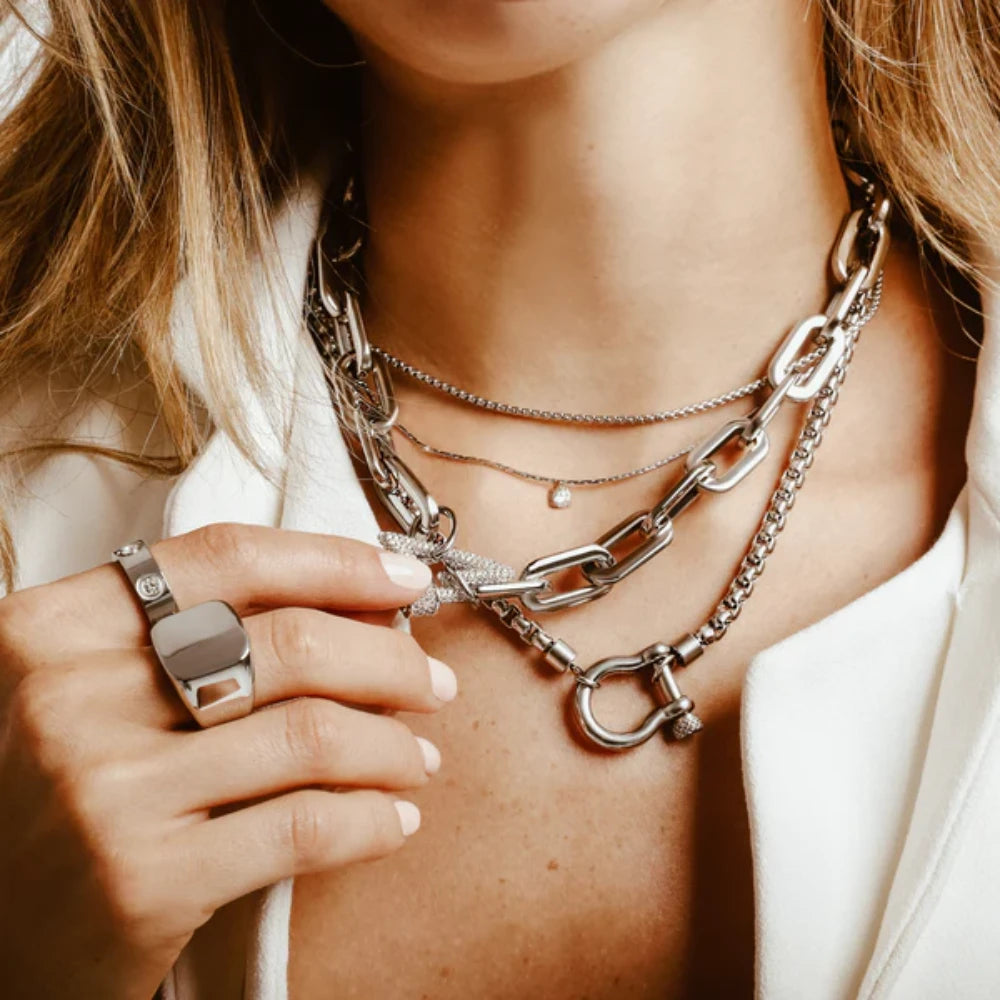
For travel and work, is stainless steel good jewelry? It shines here. It fits many looks and lives.
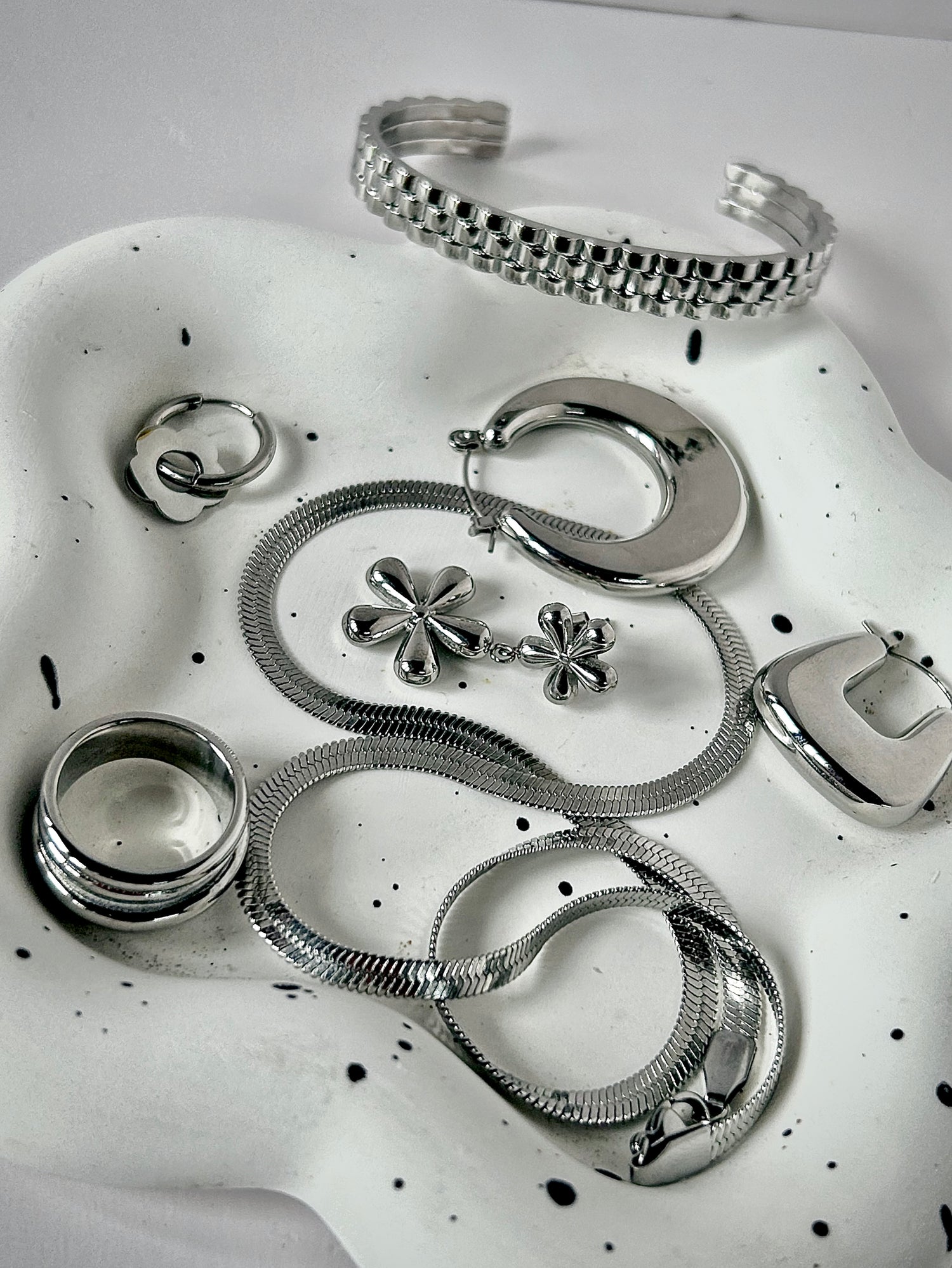
- Daily basics. Chains, huggies, and stackable rings pair with anything.
- Fitness and outdoors. Sweat and sun do not scare 316L.
- Workwear. It gives a clean, modern edge without flash.
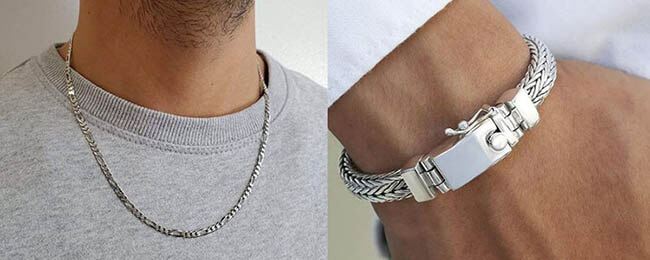
- Men’s styles. Bold cuffs and dog tags hold up well.
- Watches. Many luxury brands use stainless steel for cases and bracelets.
A client of mine wore a 316L gold-tone bracelet through a summer of beach trips. The color stayed even. The clasp was firm. No green skin. That is the reliability you want.
How It Compares: Stainless Steel vs. Other Metals
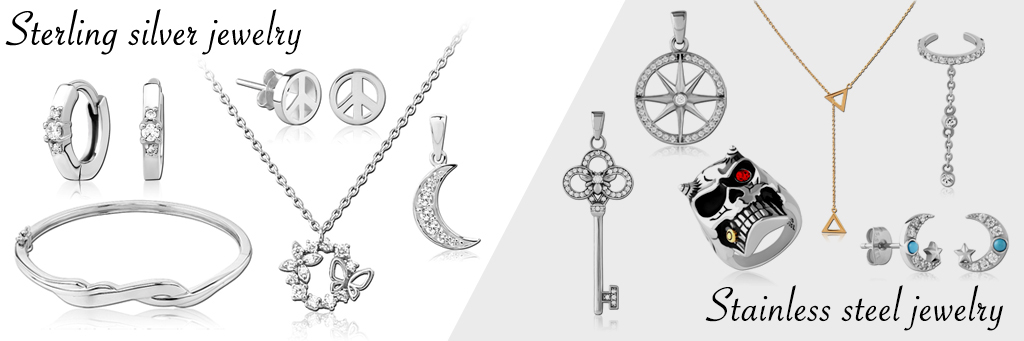
Against silver or gold, is stainless steel good jewelry? It depends on what you value.
- Stainless steel vs sterling silver
- Stainless steel does not tarnish. Silver will tarnish and needs polish.
- Silver is softer and easier to resize. It has higher material value.
- Look: silver is warmer and brighter; steel is cooler and grayer.
- Stainless steel vs gold or gold-filled
- Gold wins on prestige, value, and tradition. It is safer for severe allergies.
- PVD gold-tone stainless steel is tough and low cost. It is ideal for fashion wear.
- Stainless steel vs titanium
- Titanium is lighter and more hypoallergenic. It can be harder to finish to a mirror shine.
- Stainless steel is easier to get in complex styles. It is heavier and often cheaper.
- Stainless steel vs tungsten carbide
- Tungsten resists scratches better. But it can shatter on impact.
- Stainless steel may scratch more, but it bends before it breaks.
If you want performance and price, stainless steel is hard to beat. If you want investment value or heirloom metal, choose gold or platinum.
Buying Guide: What to Look For
To judge is stainless steel good jewelry for you, check these signs.
- Grade disclosure. Look for 316L or 316LVM for skin contact items.
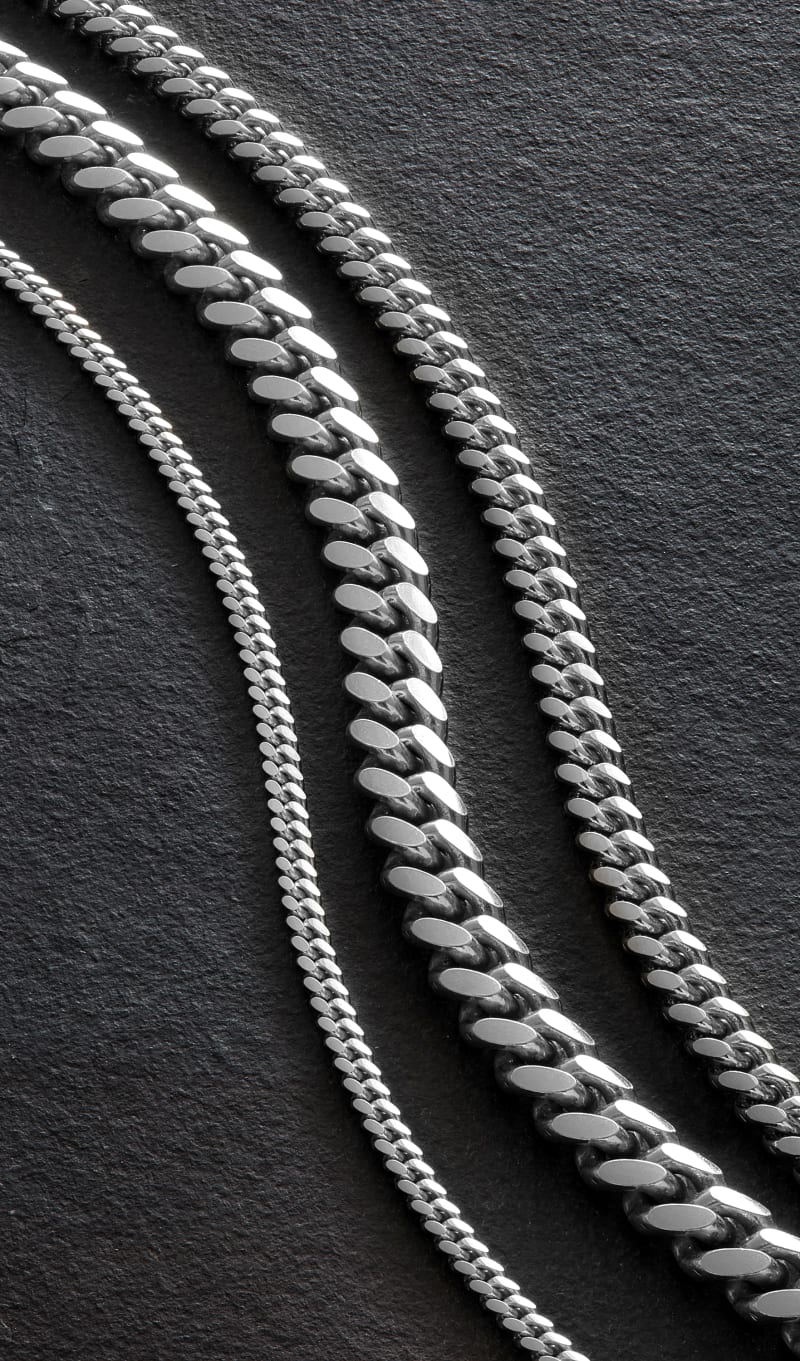
- Finish quality. Even polish, smooth edges, and tight clasps show care.
- PVD over electroplate. PVD lasts longer and resists wear.
- Nickel safety. Sellers should state nickel-compliance and testing.
- Warranty and returns. Good brands stand behind their pieces.
- Ethical claims. Ask about recycled content and supplier audits.
- For piercings. Seek ASTM-compliant or implant-grade steel or titanium.
I keep a small magnet at my bench. A strong pull often means a 400 series or a mixed part. That is not a deal-breaker, but I dig deeper before I buy.
Sustainability and Ethics
If you weigh footprint, is stainless steel good jewelry from a green view? Often, yes.
- Recycled content. Many mills use high recycled steel. Stainless steel is 100% recyclable.
- Long life. Durable pieces cut waste from fast, throwaway fashion.
- PVD process. It is cleaner than many wet plating lines.
- Supply chain. Look for brands that audit factories and share sourcing.
Durability is its green superpower. A chain that lasts five years beats five cheap replacements.
Frequently Asked Questions of is stainless steel good jewelry
Does stainless steel tarnish or rust?
Stainless steel does not tarnish like silver. High grades like 316L resist rust well, even with sweat and water.
Is stainless steel hypoallergenic?
316L has low nickel release and suits most sensitive skin. If you have a severe nickel allergy, test first or choose titanium.
Can stainless steel jewelry get wet?
Yes, you can shower with it, and 316L handles pools and the ocean. Rinse after chlorine or salt and dry to keep it spotless.
How do I clean stainless steel jewelry?
Use warm water, mild soap, and a soft cloth. Avoid bleach and harsh abrasives, especially on PVD finishes.
Can stainless steel rings be resized?
Resizing is hard due to the metal’s strength. Many jewelers recommend exchanges over resizing.
Will the color fade on gold-tone stainless steel?
PVD coatings last much longer than simple plating. They can wear over years, but gentle care extends the life.
Is stainless steel good for sensitive skin and piercings?
316L works for most people with sensitive skin. For fresh piercings, ask for implant-grade 316LVM or titanium based on studio policy.
Conclusion
Stainless steel delivers strength, style, and value with very little upkeep. Ask yourself is stainless steel good jewelry for your style and skin, and match the grade to your life. Choose 316L for sweat and water, check for clear labeling, and favor PVD finishes for color that lasts.
If you are ready to try it, start with a 316L chain or a simple band and wear it for a week. Notice the comfort and the lack of fuss. Want more tips and buying checklists? Subscribe for fresh guides, or leave a comment with your questions.


